Long before modern medicine, people turned to plants when their chest felt heavy. Several of those herbs are still widely used today. Here's what we know about the best-known ones.
Mullein
A tall, fuzzy-leaved plant with a long history as a chest-and-throat herb across several cultures. Its saponins are often cited as the reason for its traditional use. There are no placebo-controlled human trials for cough or mucus yet.
Thyme
Common kitchen thyme has been used for coughs for centuries. It's also one of the better-studied herbs in this group: combinations of thyme and ivy leaf have been tested in clinical trials for acute bronchitis cough in Europe, with some positive results.
Ivy leaf
Ivy leaf extract is widely used in European cough syrups. Several studies suggest it may help with cough, though study quality varies.
Licorice root
A traditional throat soother. Be cautious: large amounts over time can raise blood pressure and lower potassium, so it's not ideal for everyone.
Ginger
Better known for nausea, ginger has interesting lab research showing its compounds relax airway muscle tissue — though that hasn't yet been shown in people who swallow it.
Choosing a herbal product
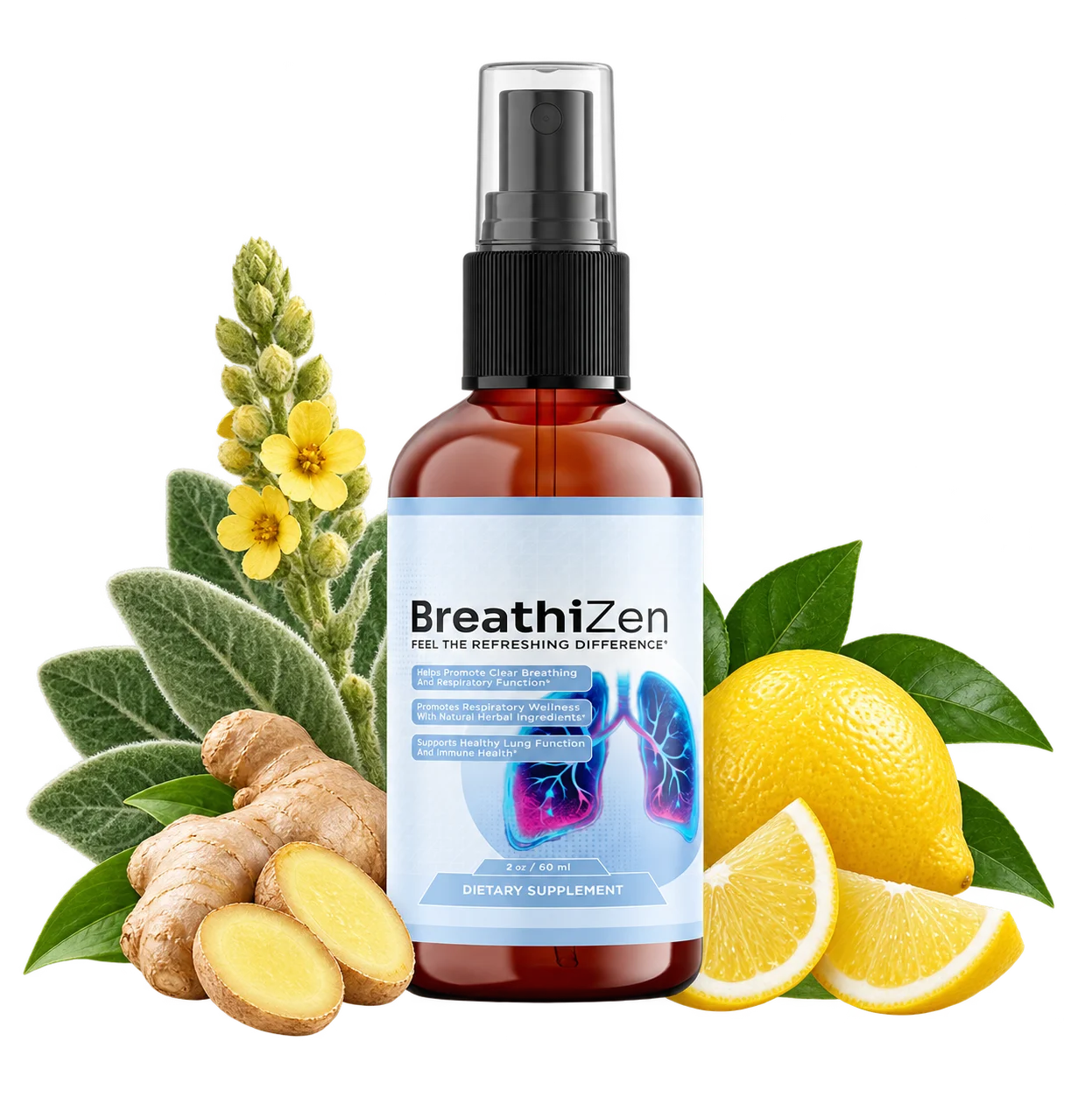
Look for products that name every ingredient, avoid "proprietary blends," and are honest about what's been proven. BreathiZen® combines mullein and ginger with organic lemon, and lists every ingredient on the label.
Looking for a Simple Daily Routine?
BreathiZen® is four sprays of mullein, ginger and lemon a day. Limited-time discount up to 73%.
See Limited-Time Pricing⚠️ These statements have not been evaluated by the FDA. BreathiZen® is a dietary supplement and is not intended to diagnose, treat, cure or prevent any disease. Talk to your doctor before starting any supplement.
← Back to all articles